ANKER is green: Many small steps that, together, make a difference
For us at ANKER , environmental protection is not a single project with a fixed beginning and end. Rather, we view it as an ongoing process and an integral part of our daily operations. It’s not just about making big changes. Often, it’s the many small decisions we make in production, procurement, logistics, and our day-to-day work that make a difference in the long run.
As a company with a long history and our own production facilities, we are therefore constantly grappling with the same fundamental questions: Where can we conserve resources? Which materials can be used more efficiently? Which existing processes can we improve? And how can we design our supply chains so that they are not only reliable but also as resource-efficient as possible?
Our response to this is not a single list of measures. For us, managing resources sustainably means, rather, regularly reviewing existing processes and making changes where they are sensible and can be implemented on a long-term basis.
A good example of this is how we handle hazardous substances in our production processes. Since 2019, we have been able to reduce the number of hazardous substances we use by 25 percent. The trend is even more pronounced when it comes to the quantities used: Here, we have been able to reduce consumption by up to 50 percent.
These figures do not reflect any radical changes in the production process, but rather numerous targeted optimizations. These include, for example, container sizes that are better tailored to actual demand and adjusted ordering cycles. At the same time, we continuously assess where established materials or processes can be adapted.
The effects are evident in several areas. Lower consumption means less material usage and reduced storage requirements. At the same time, our employees have less contact with these materials. It is crucial that these improvements are implemented without compromising the quality and safety of our products.
When it comes to packaging, we also make a point of reusing existing materials as sensibly as possible. Together with our partner, KAROPACK GmbH, we repurpose used cardboard boxes. We turn used cardboard into cushioning pads, which are then reused as filling and protective material when shipping our products.
This creates a simple cycle: used packaging is turned into new packaging material. We reduce the need for additional filler material while ensuring that our products are adequately protected during transport. After use, the cushioning pads can easily be recycled as part of the waste paper stream.
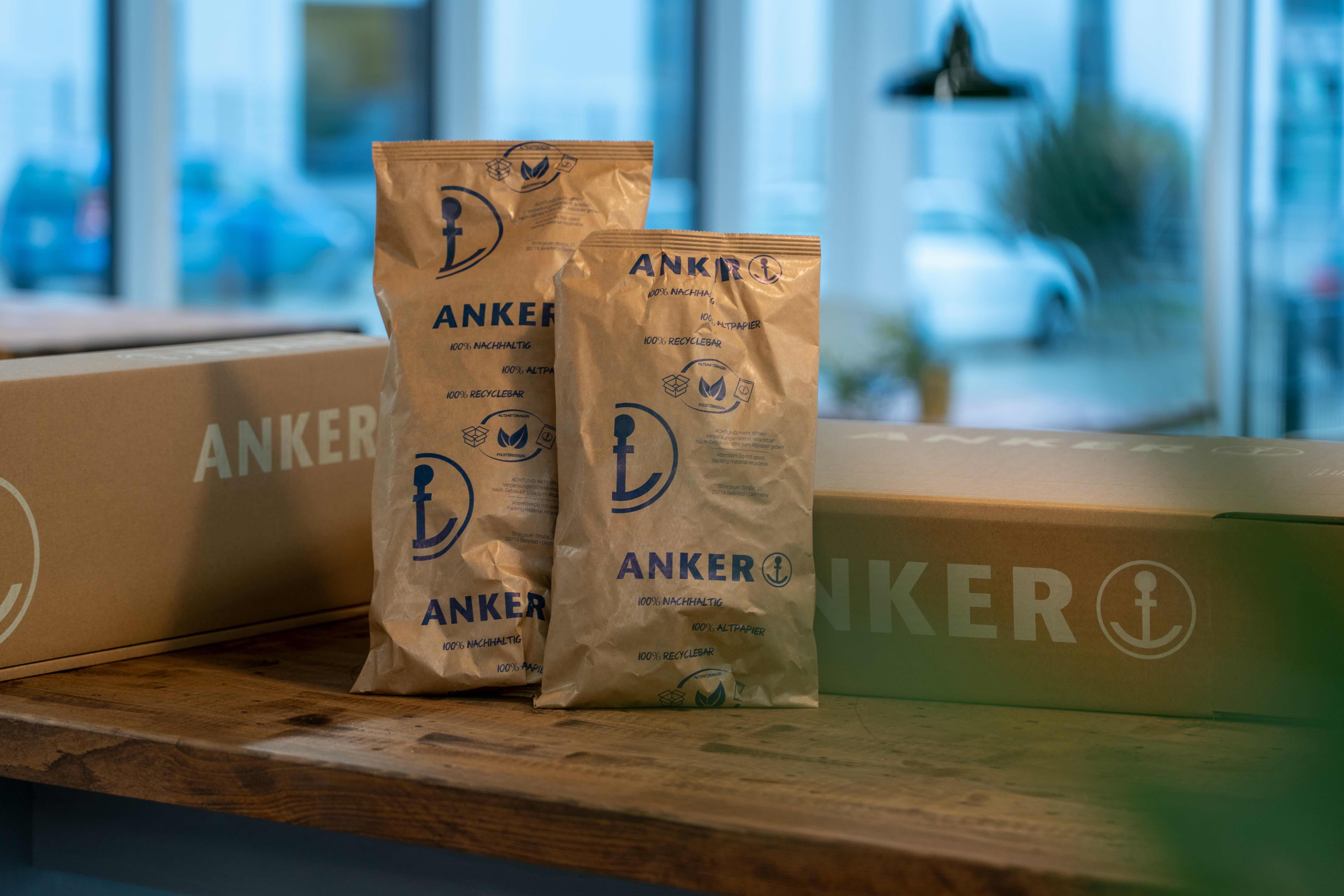
This approach complements our other initiatives related to packaging and shipping. Among other things, ANKER uses FSC-certified cardboard boxes and packaging materials and, according to the company, avoids plastic packaging as much as possible.
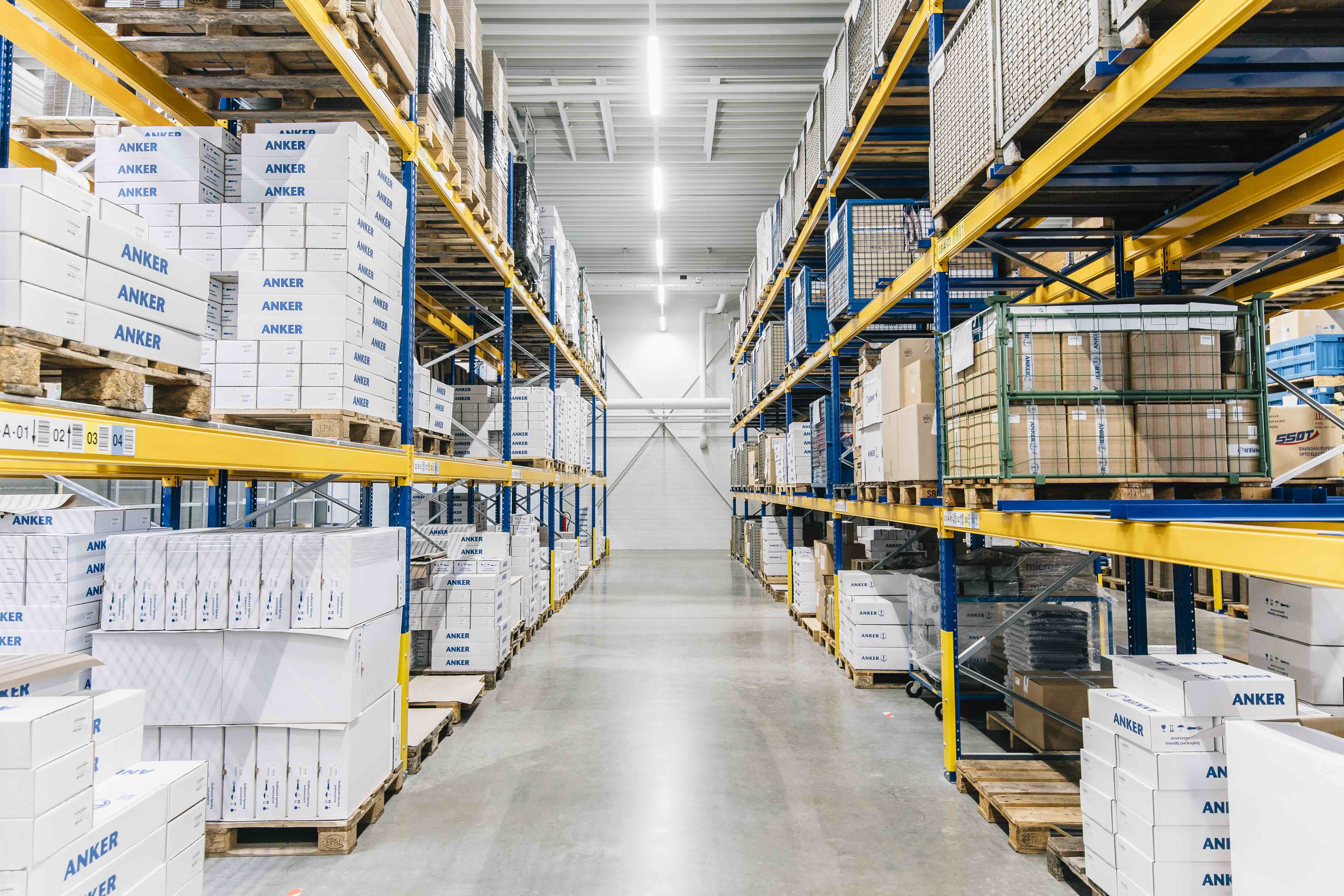
For us, however, environmental protection begins even before shipping. Keeping transportation distances as short as possible is a key factor. Most of our products are manufactured at our headquarters in Bielefeld. At the same time, we work with regional suppliers whenever possible. Short procurement routes not only support reliable and fast production but can also help avoid unnecessarily long transportation distances within the supply chain. For ANKER , “Made in Germany” production is therefore not only a matter of quality, manufacturing expertise, and flexibility, but also plays an important role for the company in terms of environmental protection.
In this process, production itself is also continuously evaluated. The goal is to gradually reduce the consumption of resources such as electricity and water, as well as the volume of waste generated. Not every optimization is immediately visible from the outside. Taken together, however, more efficient machines, streamlined processes, a more conscious use of materials, and lower scrap rates can make a significant contribution.
With our move to the new building, we were also able to reorganize various departments and significantly reduce our energy consumption. Compared to the previous situation, we were able to cut it by about half. At the same time, we source all of our electricity from renewable sources.
This is complemented by additional measures within the building and in day-to-day operations. These include, for example, energy-efficient LED lighting, heating thermostats, and thermal barriers. The increasing digitization of internal documents also helps reduce printing and lower paper consumption.
For us, resource-conscious practices don’t end at the factory gate either. Our employees’ daily commuting also plays a role. ANKER is gradually converting its company fleet to electric vehicles and supports alternative forms of mobility through a bike-leasing program. At the same time, digital meetings have become an integral part of how we collaborate. Not every appointment requires a business trip. Where in-person interaction on-site offers no additional benefit, digital formats can eliminate the need for travel while making collaboration more efficient.
For us, being an environmentally conscious company involves more than just monitoring energy and material consumption. Acting responsibly also extends to our collaboration with employees, customers, suppliers, and business partners. With our Code of Conduct, we have therefore defined binding standards for ethical behavior, social responsibility, and compliance with the law within the ANKER Group as well as in our collaboration with our partners.
This holistic approach aligns with our identity as a company that has been developing products and solutions for the point of sale for many years and continues to manufacture a significant portion of its hardware in Bielefeld. For us, environmental protection does not mean completely redesigning all our processes overnight. Rather, it means taking responsibility for the areas over which we have control.
Reducing hazardous substances, reusing packaging materials, short supply chains, more resource-efficient production, renewable energy, using less paper, and cutting back on unnecessary travel: Taken individually, each of these measures may at first seem to affect only a part of the entire company.
Together, however, they paint a bigger picture.
For us, that is precisely the key idea: Change often doesn't come from one big step, but rather from many concrete improvements that become a permanent part of the company.
We are proud of what we have already achieved along this journey. At the same time, we know that environmental protection is not a goal that a company can ever fully achieve. That is why we will continue to scrutinize our processes, explore new possibilities, and make improvements wherever we can use resources even more consciously.
After all, change often begins quite simply: by taking a closer look at what’s already there—and by asking how we can make it a little better tomorrow.